There is a unique allure to the Isekai genre, where we escape the drudgery of the 9-to-5 to become heroes in a land of magic. But what happens when that portal swings the other way? Welcome to the world of Reverse Isekai, a sub-genre that posits a hilarious and often poignant question: How would a Dark Lord handle filing a tax return?
Unlike the traditional adventures found in our Ultimate Guide to the top 25 isekai anime, reverse isekai strips powerful characters of their context. It forces dragons, elves, and warlords to confront the most terrifying beast of all: modern capitalism and social norms. Here, we explore the crème de la crème of this genre, selected for their narrative depth, animation quality, and ability to bridge the gap between fantasy and reality.
1. The Devil is a Part-Timer! (Hataraku Maou-sama!)
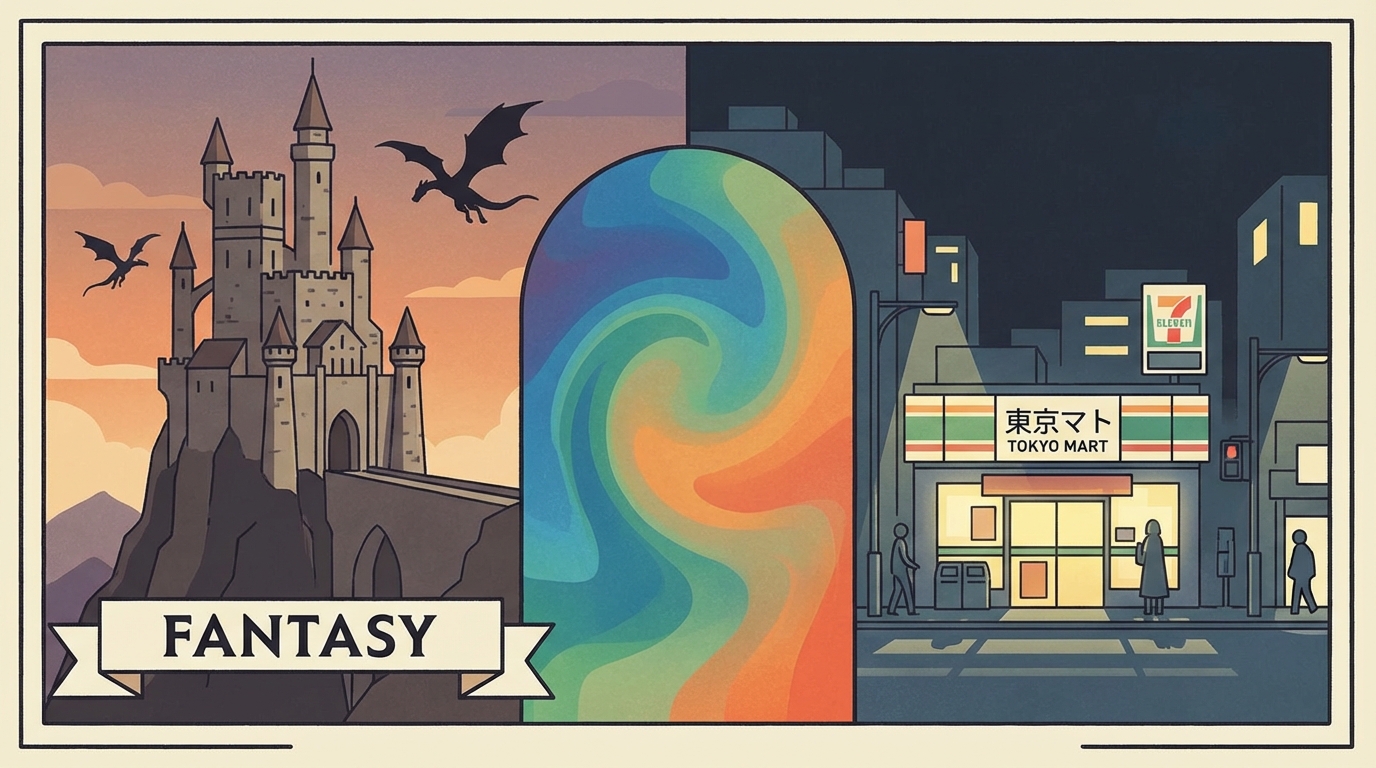
If there is a king of this genre, it is undoubtedly Sadao Maou. After being cornered by the Hero Emilia in his home dimension of Ente Isla, the Demon Lord Satan makes a desperate retreat through a portal—only to land in modern-day Tokyo. Stripped of most of his magic, he does what any self-respecting ruler would do: he gets a job at MgRonald’s.
This series is a masterclass in situational comedy. Watching a character who belongs on our list of Best Overpowered Main Characters in Isekai fret over the price of cucumbers or the broken soft-serve machine is endlessly entertaining. However, underneath the humor lies a surprising amount of heart, as Maou discovers that being a good shift manager might be more fulfilling than world domination.
2. Re:Creators
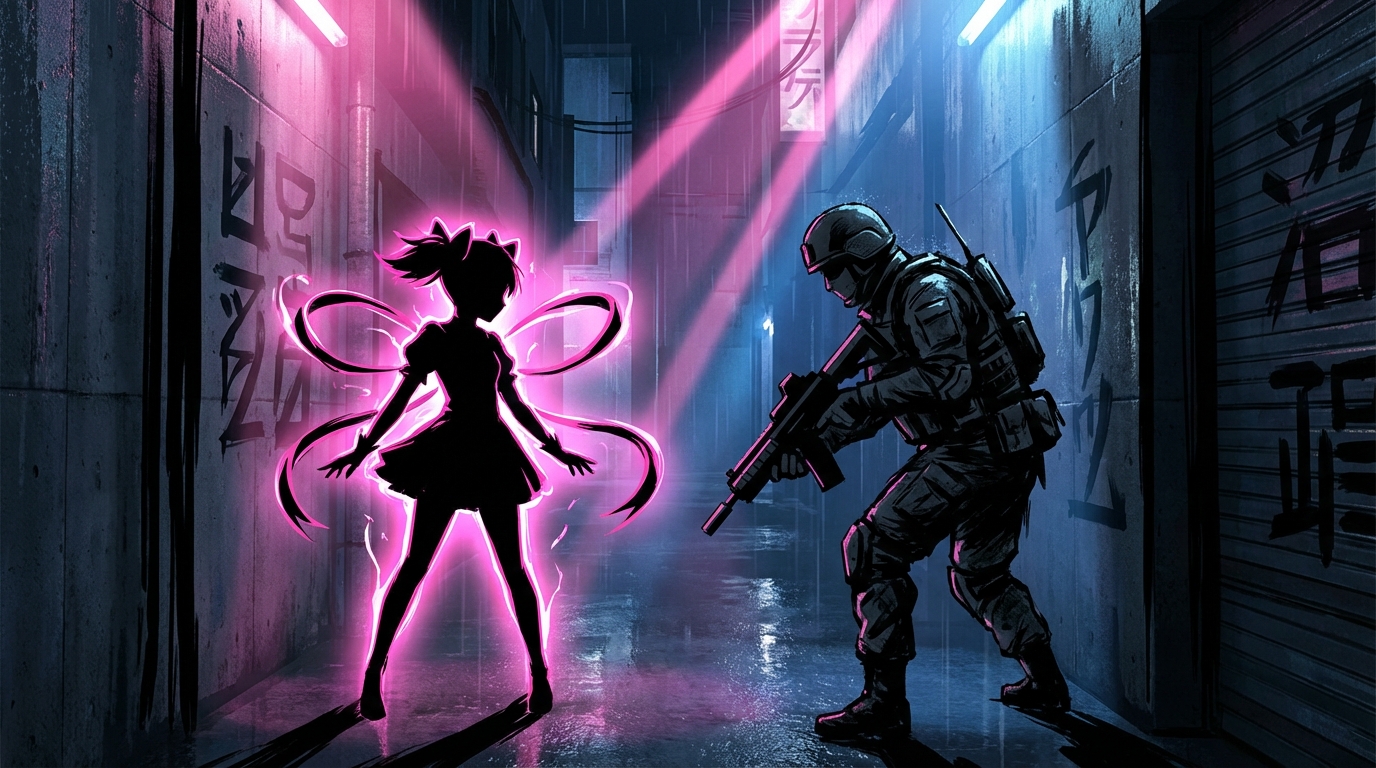
Moving away from comedy, Re:Creators offers a cerebral, cinematic experience that leans closer to the tone of our Dark Fantasy Isekai recommendations. In this series, characters from various fictional media—mecha anime, magical girl shows, and cyberpunk thrillers—are dragged into the real world.
The premise allows for a fascinating meta-commentary on the nature of storytelling. How does a hero react when they meet the author who wrote their tragic backstory? The clashes between characters operating on different "physics" and moral codes (a children’s show mascot fighting a gritty bounty hunter) are visually spectacular. It is a sophisticated take on the genre that respects the intelligence of its audience.
3. Miss Kobayashi's Dragon Maid
On the surface, it is a show about a dragon transforming into a maid for a stoic office worker. Beneath the scales and frills, however, Kyoto Animation has crafted a beautiful story about loneliness, found family, and cultural exchange.
Tohru, the dragon in question, is immensely powerful, capable of bringing about the apocalypse. Yet, the show focuses on her struggles to clean laundry without burning it and her attempts to understand human subtlety. It is wholesome, visually stunning, and arguably one of the most heartwarming entries on any anime list.
4. Hinamatsuri
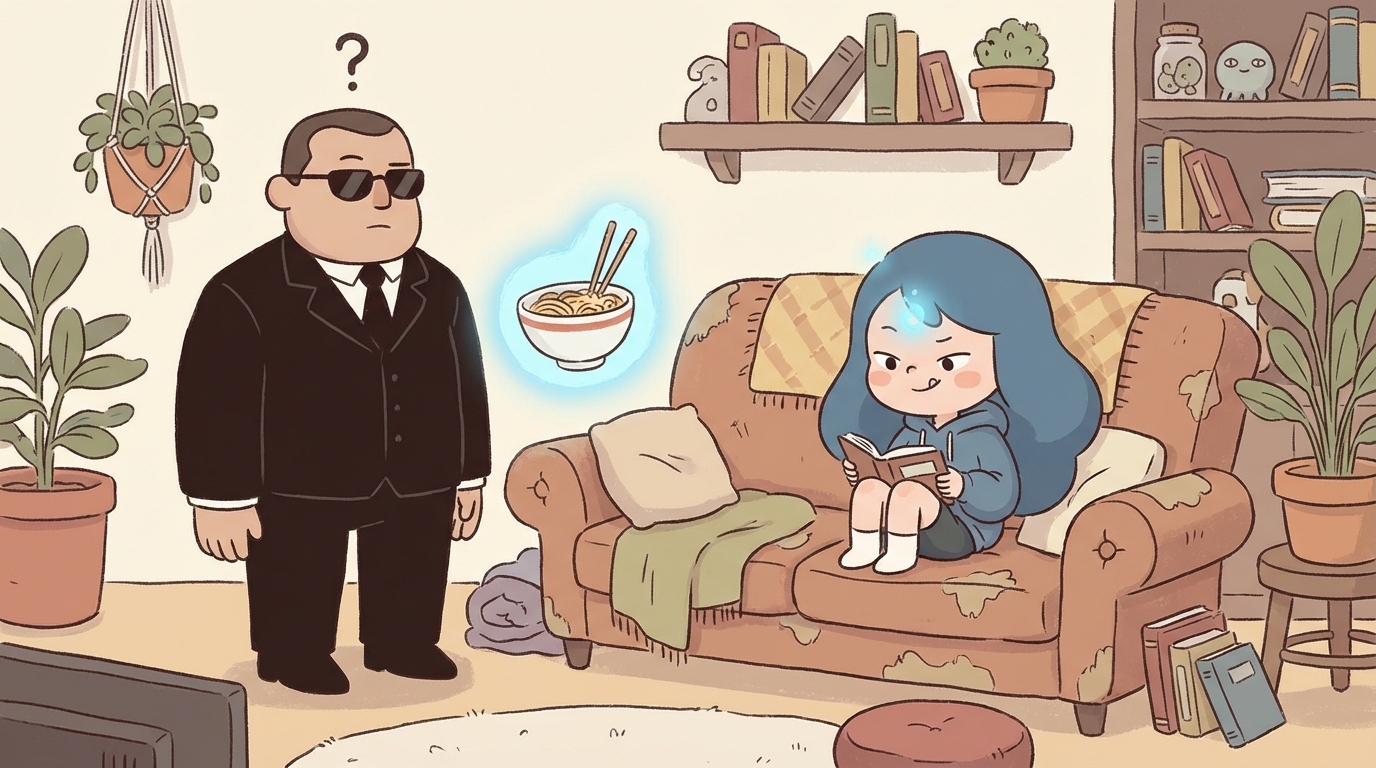
Hinamatsuri is often overlooked, making it a prime candidate for those who scour our Underrated Isekai Gems list. The story follows Nitta, a mid-level Yakuza member, whose bachelor lifestyle is interrupted when a capsule falls on his head containing Hina, a psychokinetic girl.
The series balances deadpan humor with tear-jerking emotional beats. It contrasts the absurdly powerful Hina, who lacks common sense, with Anzu, another powered girl who ends up homeless and learns the value of hard work and community. It is a rare gem that will make you laugh out loud one minute and cry the next.
5. Uncle from Another World (Isekai Ojisan)
Technically a post-isekai story, this series deconstructs the entire genre. The protagonist's uncle wakes up from a 17-year coma, revealing he had been adventuring in a fantasy world the entire time. Now back in Japan, he retains his magic but is hopelessly out of touch with technology (he still thinks Sega is winning the console war).
The humor is dry and often cynical, highlighting the trauma and awkwardness that would realistically accompany such a journey. It frames the "magical adventure" not as a glorious dream, but as a bizarre gap in one's résumé that makes reintegrating into society incredibly difficult.
Why Watch Reverse Isekai?
The charm of reverse isekai lies in the juxtaposition. In standard isekai, the protagonist uses modern knowledge to cheat their way to the top of a primitive fantasy world. In reverse isekai, magical might is often rendered useless by bureaucracy and social etiquette. It humanizes these larger-than-life figures, reminding us that sometimes, holding down a job is the most heroic feat of all.