There is a specific, primal satisfaction in watching a character completely dismantle their opposition. In the vast, sprawling landscape of Japanese animation, no genre captures this feeling quite like Isekai. While our Ultimate Guide to the top 25 isekai anime list covers a broad spectrum of stories, there is a special place in fandom history for the "OP MC"—the Overpowered Main Character.
These are not the underdogs. They are not the scrappy heroes training in the rain for a fighting chance. These are the walking natural disasters, the sorcerer kings, and the tactical geniuses who treat world-ending threats like minor inconveniences. Whether it serves as a vehicle for comedy, political maneuvering, or dark philosophical questions, the overpowered protagonist has become the face of the genre.
The Absolute Rulers: Rimuru Tempest and Ainz Ooal Gown
When discussing overpowered characters, the conversation inevitably begins with two names that have become synonymous with absolute dominion: a slime and a skeleton.
Rimuru Tempest from That Time I Got Reincarnated as a Slime represents the "benevolent god" archetype. Starting as the weakest monster in fantasy lore, Rimuru’s ability, 'Predator' (later 'Gluttony'), allows for infinite scaling. He doesn't just defeat enemies; he absorbs their skills, eventually commanding magic that can reshape continents. However, Rimuru’s true power lies in nation-building. He conquers not just through force, but through economics and diplomacy, creating a utopia that forces the world to bend the knee.
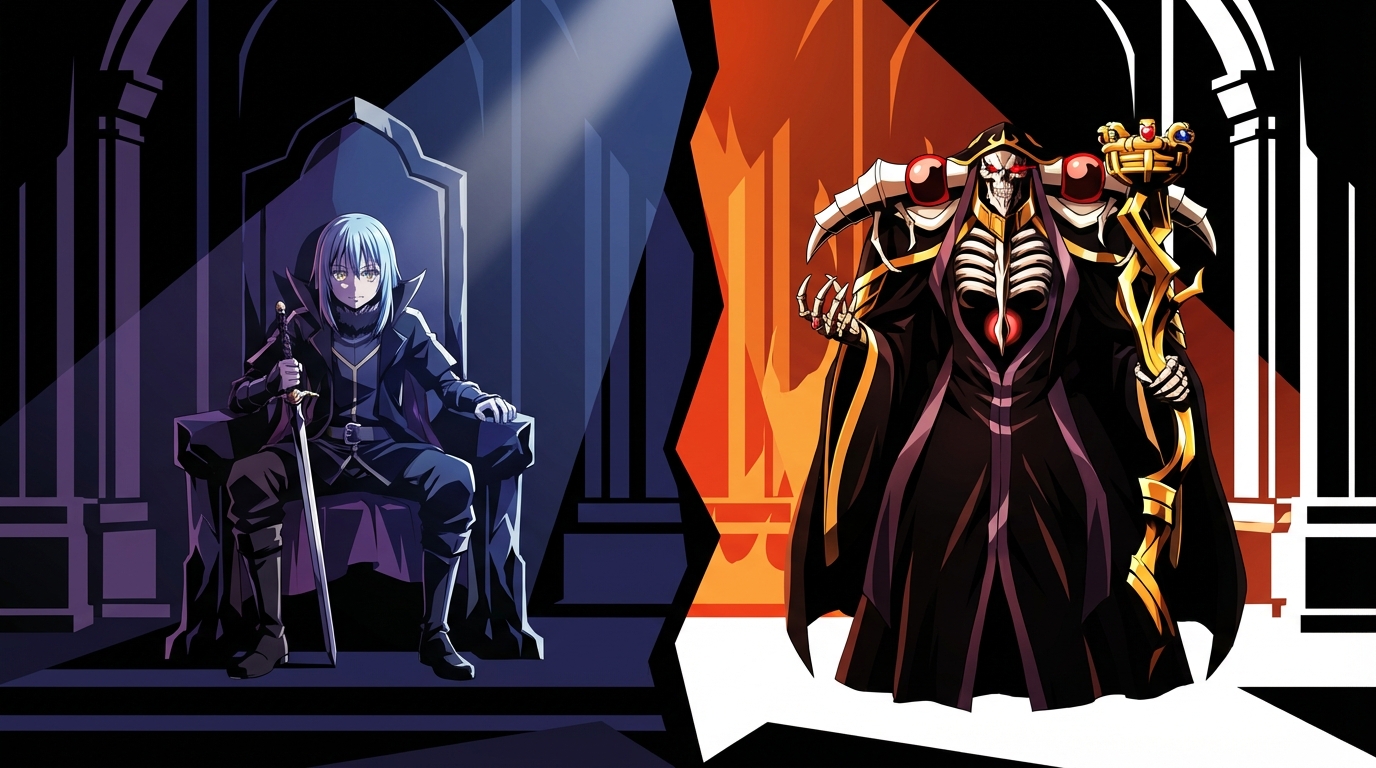
On the flip side of the coin is Ainz Ooal Gown from Overlord. While Rimuru seeks coexistence, Ainz represents conquest through fear and overwhelming magical superiority. Trapped in his MMORPG avatar, he possesses a max-level arsenal in a world where level 30 is considered legendary. Watching Ainz cast "Iä Shub-Niggurath" to annihilate an army of 70,000 with a single spell is a stark reminder of the gap between him and the rest of the world. For those interested in how Ainz fits into the grittier side of anime, check out our list of Dark Fantasy Isekai for Mature Audiences.
The "Shadow" Brokers: Cid Kagenou
Sometimes, being overpowered is a performance art. Enter Cid Kagenou from The Eminence in Shadow. Cid is a unique entry because he is technically living a delusion that happens to be true. He strives to be the "Eminence in Shadow," a mastermind controlling events from behind the scenes.
Cid's power is absurd—he survives nuclear explosions and can unleash atomic-level attacks with his sword—but the charm comes from the disconnect. He treats the world like a stage play, improvising lines that sound "cool," while his subordinates (Shadow Garden) believe he is a prophetic genius. He is the ultimate parody of the OP MC trope, yet he executes it with such style that he loops back around to being genuinely cool. Unlike the struggle found in underrated isekai gems where heroes scrape by, Cid's only struggle is ensuring the lighting is dramatic enough for his finishing move.
The Intellectual Juggernauts: Blank (No Game No Life)
Not all power is physical. In the world of Disboard, where violence is forbidden and conflicts are resolved through games, raw strength is meaningless. This is the domain of Sora and Shiro, the sibling duo known as 'Blank'.
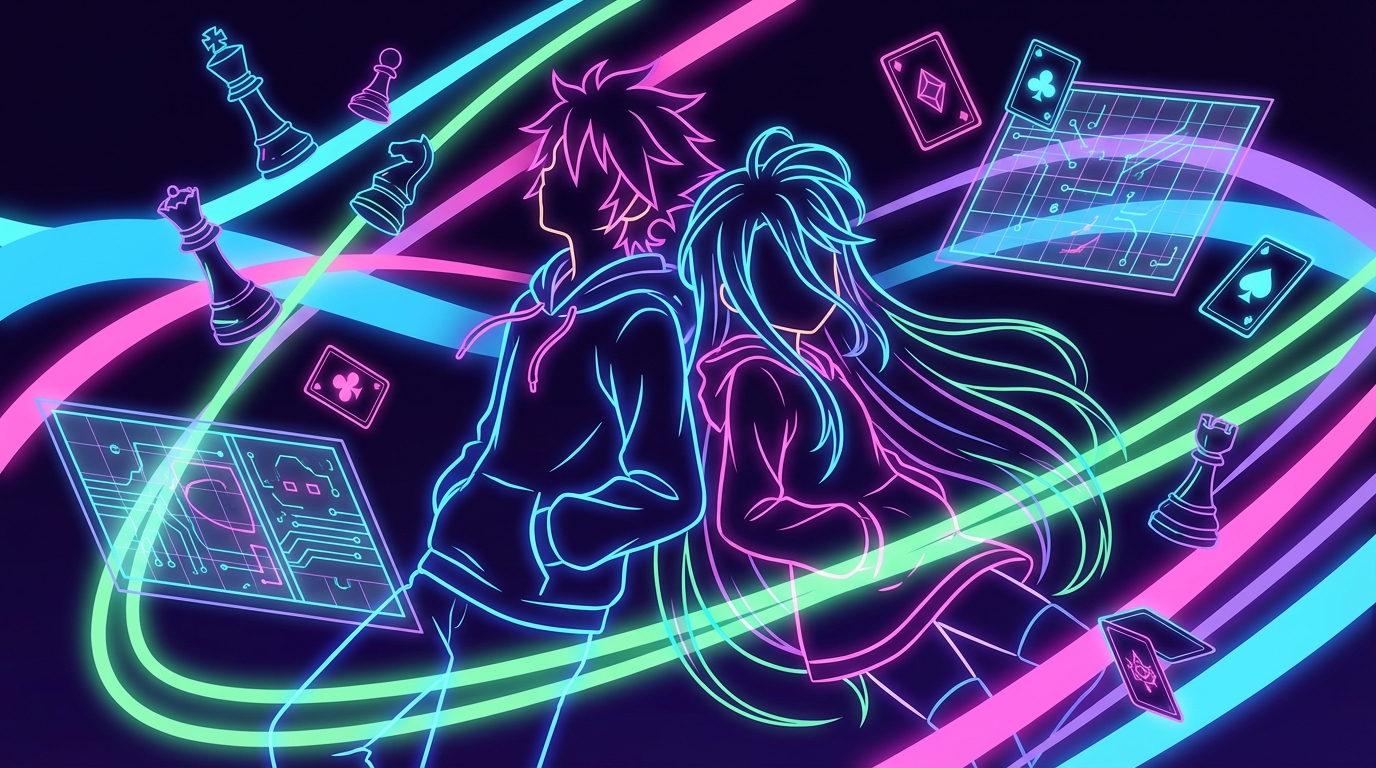
Their "overpowered" status comes from an inhuman intellect and game theory mastery. They defeated a god at chess. They dismantled a nation's government through bureaucracy. In a genre saturated with magical explosions, watching Blank dismantle opponents through pure logic and psychological warfare is a refreshing twist. They prove that in the right setting, the mind is the deadliest weapon of all.
The Reluctant Monsters: Makoto Misumi
Makoto Misumi from Tsukimichi: Moonlit Fantasy offers a look at what happens when you give phenomenal cosmic power to a regular high schooler and then banish him to the wasteland. Rejected by the Goddess for being "ugly," Makoto discovers that the mana capacity he built up on Earth makes him a nuclear reactor in this new world.
Makoto's overpowering nature is terrifying because he is arguably the most "human" of the lot. He isn't trying to rule the world (like Ainz) or save it (like Rimuru); he just wants to run a merchant company. But when pushed, he displays a cold, detached ruthlessness that rivals the darkest villains. His skill with a bow and his pacts with high-ranking dragons place him firmly in the top tier of isekai power rankings.
When the Script Flips: Reverse Isekai Powerhouses
It is worth noting that the "OP MC" trope takes on a fascinating new dynamic when the direction of travel is reversed. What happens when a Demon Lord is forced to work at a fast-food joint in Tokyo?
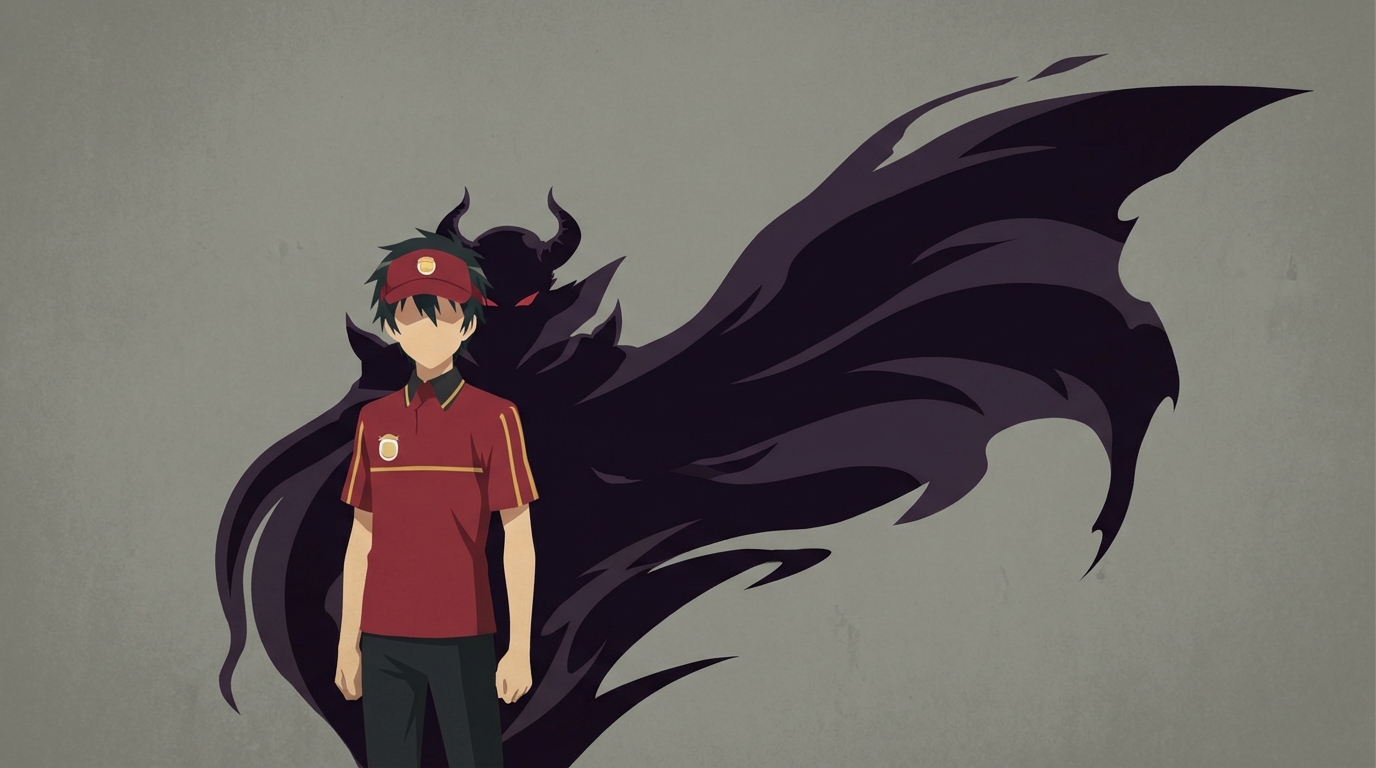
Characters like Sadao Maou (The Devil is a Part-Timer!) retain their world-ending powers but are constrained by the mundane laws and economics of modern Earth. This juxtaposition creates a unique sub-genre where the tension isn't "can they win?" but "can they win without destroying the city and getting fired?" For a deeper look into this sub-genre, read our dedicated article on Top Reverse Isekai Series to Watch.
Conclusion: The Appeal of the Power Fantasy
Why do we love these characters? Critics might call them boring, arguing that a lack of physical stakes ruins the story. But the appeal of the Overpowered Main Character lies in the consequences of their power, not the acquisition of it. We watch to see how the world reacts to a living god walking among them. We watch for the satisfaction of seeing arrogant villains humbled in an instant.
Whether they are building nations, acting out chuunibyou fantasies, or simply trying to open a shop, these characters define the modern isekai landscape. They allow us, for just 20 minutes a week, to feel invincible.